



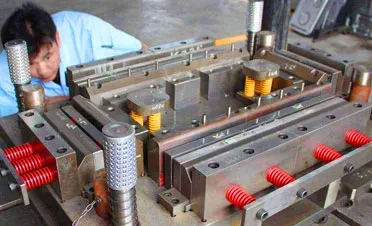

sand casting parts
sand casting parts
The Art and Science of Making Casting Sand Casting sand is an essential material in the foundry process, used to create molds for metal casting. This versatile medium plays a crucial role in ensuring that metal components are shaped accurately and efficiently. The following explores the composition, preparation, and applications of casting sand, shedding light on its significance in manufacturing. Composition of Casting Sand Casting sand typically consists of a mixture of silica (silicon dioxide), clay, and water, each component contributing to the sand's structural integrity and functional properties. Silica is the primary ingredient, providing strength and thermal stability during the casting process. Clay acts as a binding agent, helping to hold the sand grains together and ensuring that the mold retains its shape. Water is added to improve the workability of the sand and enhance its ability to form a cohesive mold. There are various types of sand used in the casting process, including silica sand, zircon sand, and olivine sand, each possessing unique characteristics. Silica sand is the most commonly used due to its availability and cost-effectiveness. Zircon sand, on the other hand, is favored for its high melting point and chemical inertness, making it suitable for metal castings that require precise tolerances and superior surface finishes. Preparation of Casting Sand The preparation of casting sand is a meticulous process that begins with selecting the right type of sand. The chosen sand must be screened to remove impurities and oversized particles that could compromise the quality of the mold. Once screened, the sand is washed to eliminate dust and fine particles, which can affect the mold's strength and finish. After cleaning, the sand is mixed with the appropriate proportion of clay and water. The mixing process must ensure uniform distribution of the clay, which is critical for achieving the desired binding properties. Moisture content is also monitored closely; too much water can lead to weak molds, while too little can result in cracks. The ideal condition is often determined through empirical testing to ensure the sand mixture meets the specific requirements of the casting process. making casting sand Applications of Casting Sand Casting sand is widely used across various industries, primarily in metal foundries where intricate shapes and designs are required. The automotive, aerospace, and manufacturing sectors rely on sand casting to produce components such as engine blocks, turbine housings, and intricate machine parts. This process allows for the creation of complex geometries that might be challenging or impossible to achieve through other manufacturing methods. Moreover, casting sand has applications beyond metal casting. In artistic endeavors, sculptors often use sand molds to create bronze or aluminum statues. The exactness of the sand mold ensures that every detail of the original sculpture is replicated in the final cast piece. Advantages of Using Casting Sand One of the primary advantages of using casting sand is its reusability. After the completion of a casting process, the sand can be reclaimed and processed for future use, making it an environmentally friendly option. Additionally, sand casting is often more cost-effective than alternative casting methods, as it requires less specialized equipment and can accommodate a variety of production scales, from small batches to high-volume runs. Another benefit is the ease of handling and shaping. Sand molds can be easily manipulated, allowing for quick adjustments and prototype development. This flexibility is particularly valuable during the design phase when rapid changes may be necessary. Conclusion In summary, casting sand is a vital component of the metal casting process, with a well-defined composition, specific preparation techniques, and diverse applications. Its continued relevance in modern manufacturing underscores its importance as a material that combines art and engineering, facilitating the production of complex, precision-engineered components across numerous industries. As technology evolves, innovations in casting sand processes and formulations will undoubtedly enhance its effectiveness and expand its applications, ensuring its place in the future of manufacturing.
-
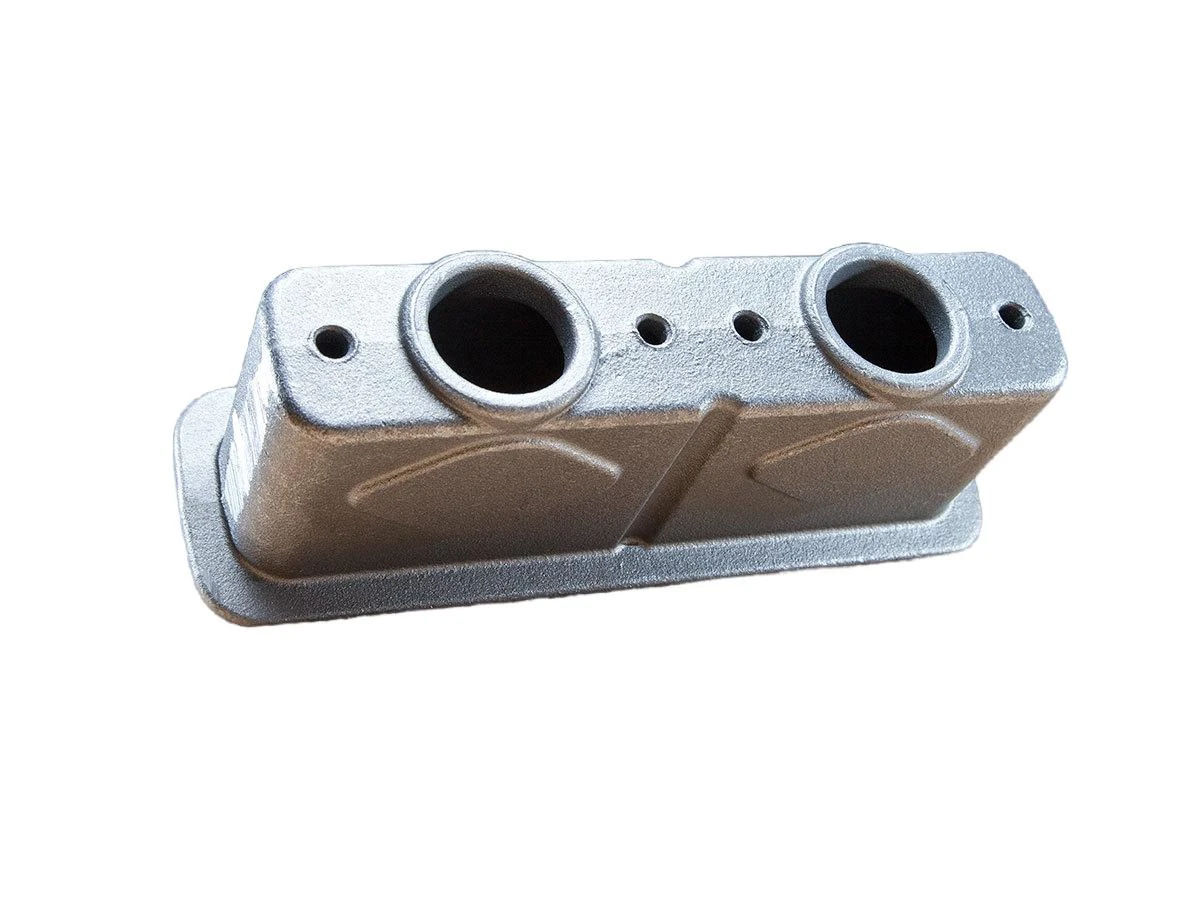 2026-06-15 15:29x castingThe concept of X Casting has captured the attention of industry experts and enthusiasts alike, making waves in the realm of manufacturing and materials engineering. As an authority in the sphere of innovative product development, it's imperative to delve into the intricacies of X Casting, which has redefined the landscape of production processes with its unparalleled precision and efficiency. X Ca
 -
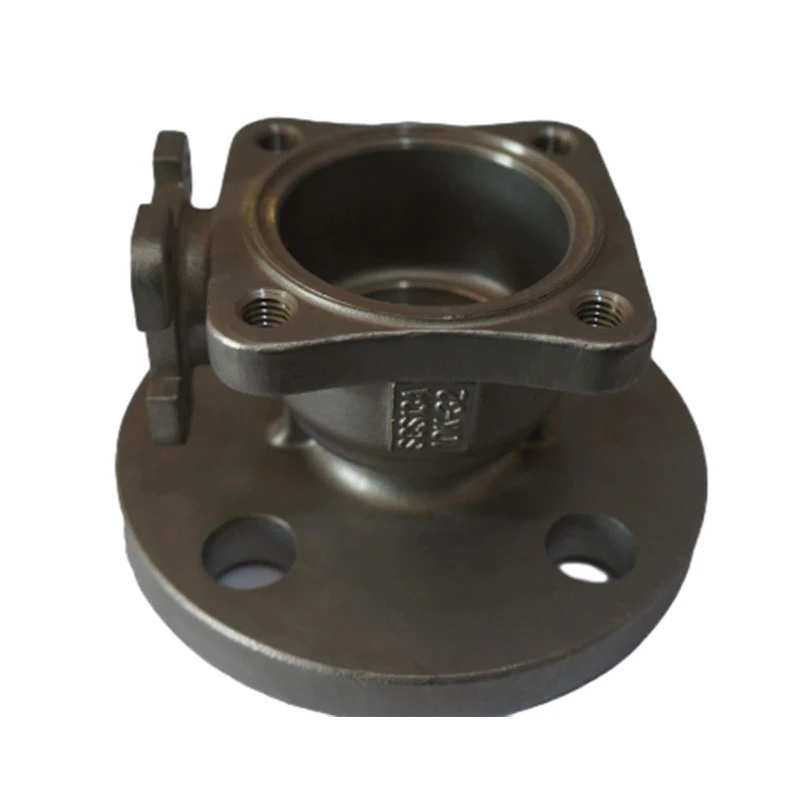 2026-06-15 15:27निश्चित निवेश कास्टिंग्स आई.टी.डीप्रिसीजन इन्वेस्टमेंट कास्टिंग्स लिमिटेड एक अवलोकन प्रिसीजन इन्वेस्टमेंट कास्टिंग्स लिमिटेड (पीआईसीएल) एक प्रमुख कंपनी है जो कि भारत में निवेश कास्टिंग का क्षेत्रe में उल्लेखनीय स्थान रखती है। इसकी स्थापना उद्योग में उच्च मानकों और उत्कृष्टता के प्रति प्रतिबद्धता के साथ की गई थी। यह कंपनी उच्च गुणवत्ता वाले कास्टिंग उत्पादों को तैयार करने में विशेषज्ञता रखती है और इसके लिए अत्याधुनिक तकनीकों और प्
 -
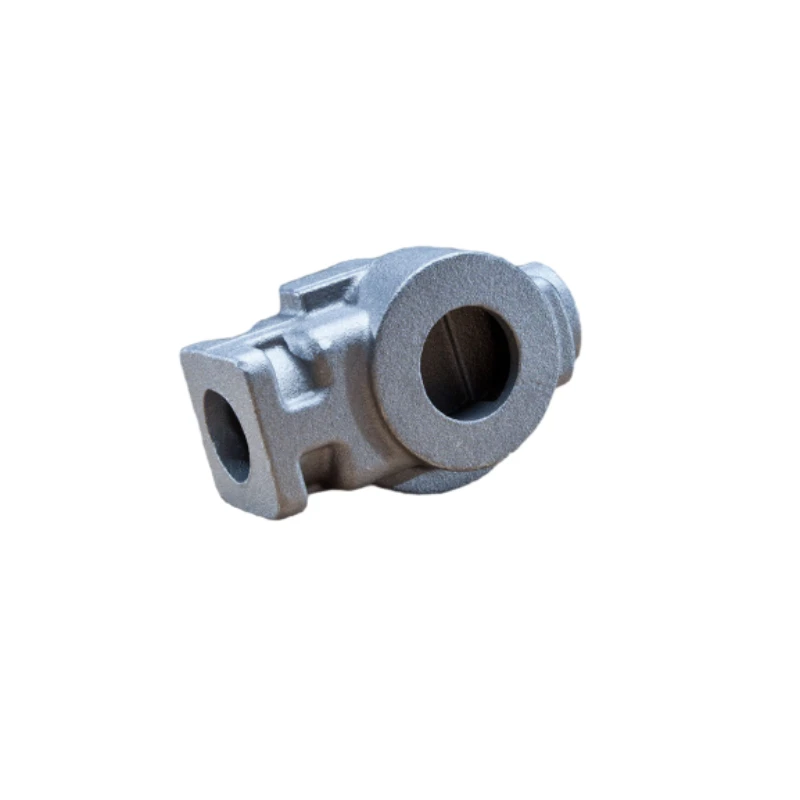 2026-06-15 15:19stainless steel die castingThe Advantages and Applications of Stainless Steel Die Casting Stainless steel die casting is a manufacturing process characterized by its ability to produce intricate and detailed metal components. Utilizing the properties of stainless steel, this method is becoming increasingly popular for various industries, owing to its strength, corrosion resistance, and aesthetic appeal. In this article, we
 -
 2026-06-15 14:42Экспортеры литья под давлениемЭкспорт литья под давлением ключевые аспекты и возможности Литье под давлением — это одна из самых современных и практичных технологий в сфере производства. Этот метод предоставляет множество возможностей для создания различных изделий, используются в самых разных отраслях, начиная от автомобилестроения и заканчивая электроникой. В последние годы экспорт литья под давлением приобретает все большую
 -
 2026-06-15 14:08板金プレスプロセスとは。シートメタルにおけるスタンピングプロセスとは スタンピングプロセスは、シートメタル加工の一種であり、金属シートを特定の形状に加工するための重要な手法です。このプロセスは、金属製品の製造において非常に広く利用されています。スタンピングは、材料を切断、形成、または変形させるために圧力を加える工程であり、主にプレス機を使用します。 スタンピングプロセスの基本 スタンピングプロセスは、以下のようなステップで構成されます。 1. 設計と型作り 最初の段階では、製品の設計と型の製作が行われます。適切な型がなければ、スタンピングプロセスは正確に行われません。型は製品の形状やサイズに合わせて設計され、通常は鋼材で作られます。 2. 材料の準備 スタンピングにはシートメタルが使用されます。一般的には鋼、アルミニウム、銅乃至その他の金属が選ばれます。シートメタルは、希望の厚さと寸法に切断されます。 3. スタ